Nutrition · 10 min read
Eating for two? The truth about pregnancy nutrition
You don't need double the calories — you need roughly 340 extra in trimester two and 450 in trimester three. Here's what those calories should actually look like on a plate.
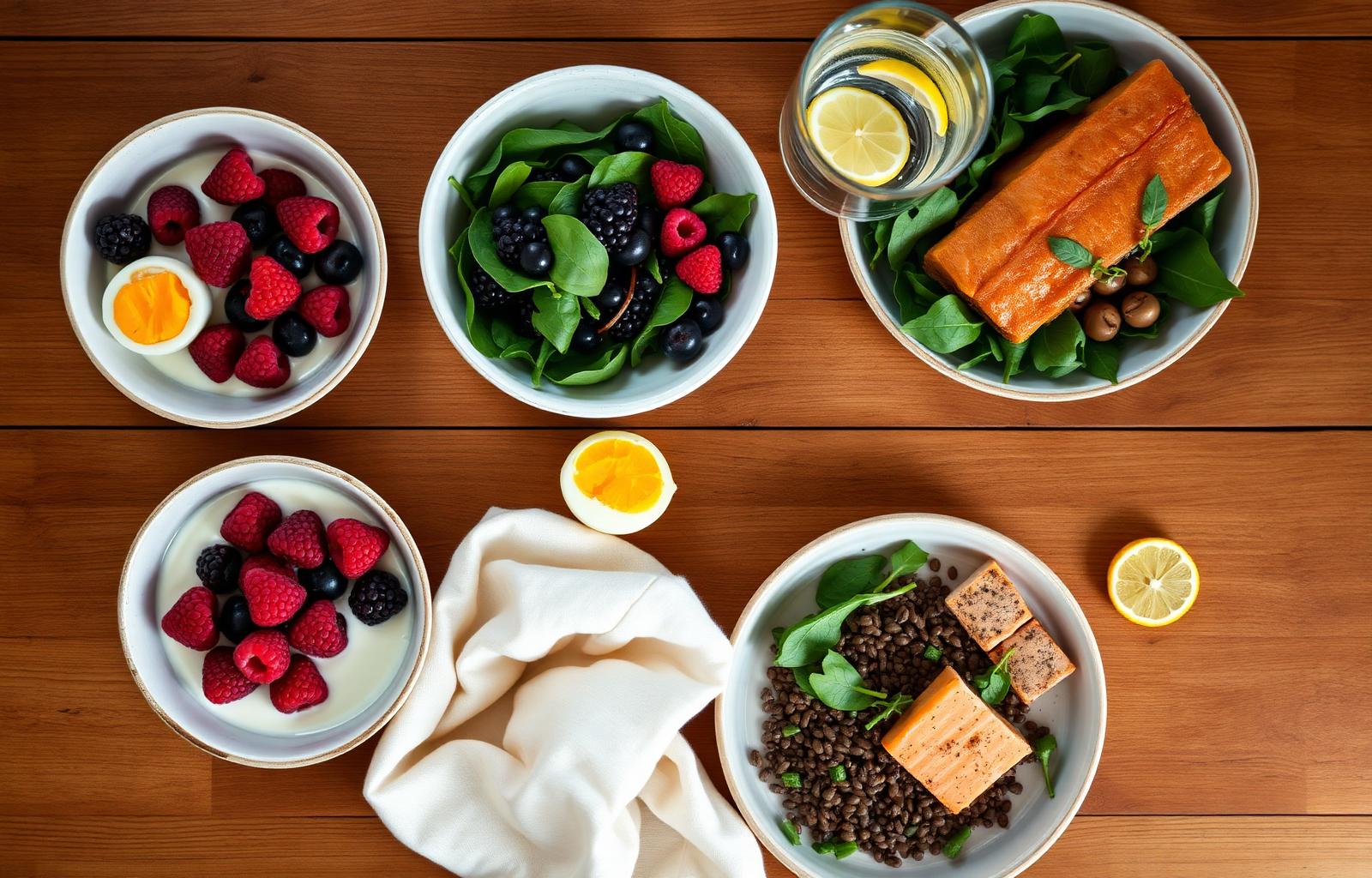
The phrase 'eating for two' is the most damaging nutrition advice in pregnancy — not because it encourages women to eat, but because it confuses the math. Your body doesn't need a second adult's worth of calories. In trimester one, you need zero extra calories. In trimester two, about 340 extra. In trimester three, about 450 extra. That's a yogurt and a piece of toast. Not a second dinner.
What actually changes is the quality of what you eat, not the quantity. Pregnancy is a nine-month nutrient gradient. Here's the breakdown the textbooks won't give you, in plain language.
Protein: the unsung hero
You need 75–100 grams of protein a day. That supports baby's tissue growth, your expanding blood volume (it nearly doubles), and the placenta itself. Think two eggs at breakfast, Greek yogurt mid-morning, chicken thighs or lentils at lunch, a handful of nuts in the afternoon, salmon or beans at dinner. If you hit the protein target, most other things fall into place.
Iron + vitamin C, always together
Iron deficiency is the most common deficiency in pregnancy and the easiest to fix at the table. Pair iron-rich foods (spinach, lentils, beef, fortified oats) with vitamin C (citrus, bell peppers, strawberries) in the same meal — vitamin C triples iron absorption. Avoid coffee and tea within an hour of iron-rich meals; they cut absorption in half.
Hydration is the most underrated medicine
Aim for 10 cups of water a day. Most 'I feel terrible' afternoons in pregnancy are dehydration in disguise. Hydration reduces swelling, prevents constipation, eases headaches, and meaningfully reduces Braxton Hicks contractions in the third trimester. Carry a 32 oz bottle and refill it twice.
Choline: the nutrient no one talks about
Choline supports your baby's brain development as much as folate does, but it's left out of most prenatal vitamins. The fix is breakfast: two eggs covers most of your daily need. If you don't eat eggs, look for a prenatal that includes choline (most don't — check the label).
Don't fear carbs
Oats, sweet potatoes, brown rice, and whole-grain bread steady blood sugar, prevent the nausea spikes that come with low blood sugar, and give you the energy you'll absolutely need in the third trimester. Pair carbs with protein at every meal and the day evens out.
What to limit (not eliminate)
Caffeine under 200mg/day (one 12 oz coffee). Fish low in mercury (salmon, sardines, shrimp — yes; swordfish, king mackerel — no). Skip raw fish, unpasteurized dairy, deli meat that hasn't been heated, and alcohol. Almost everything else on the internet's 'banned' list is overblown — talk to your OB before you eliminate something you love.
Keep reading
Ready to feel organized?
Bring your whole pregnancy into one calm, beautiful Google Sheet.
Get The Calm Pregnancy System™✦ Instant access · Google Sheets · Lifetime updates