Science · 7 min read
The science of nesting — and why it matters
That sudden urge to scrub baseboards at 36 weeks isn't random. Nesting is a hormonally-driven, evolutionarily conserved behavior — and it's protective.
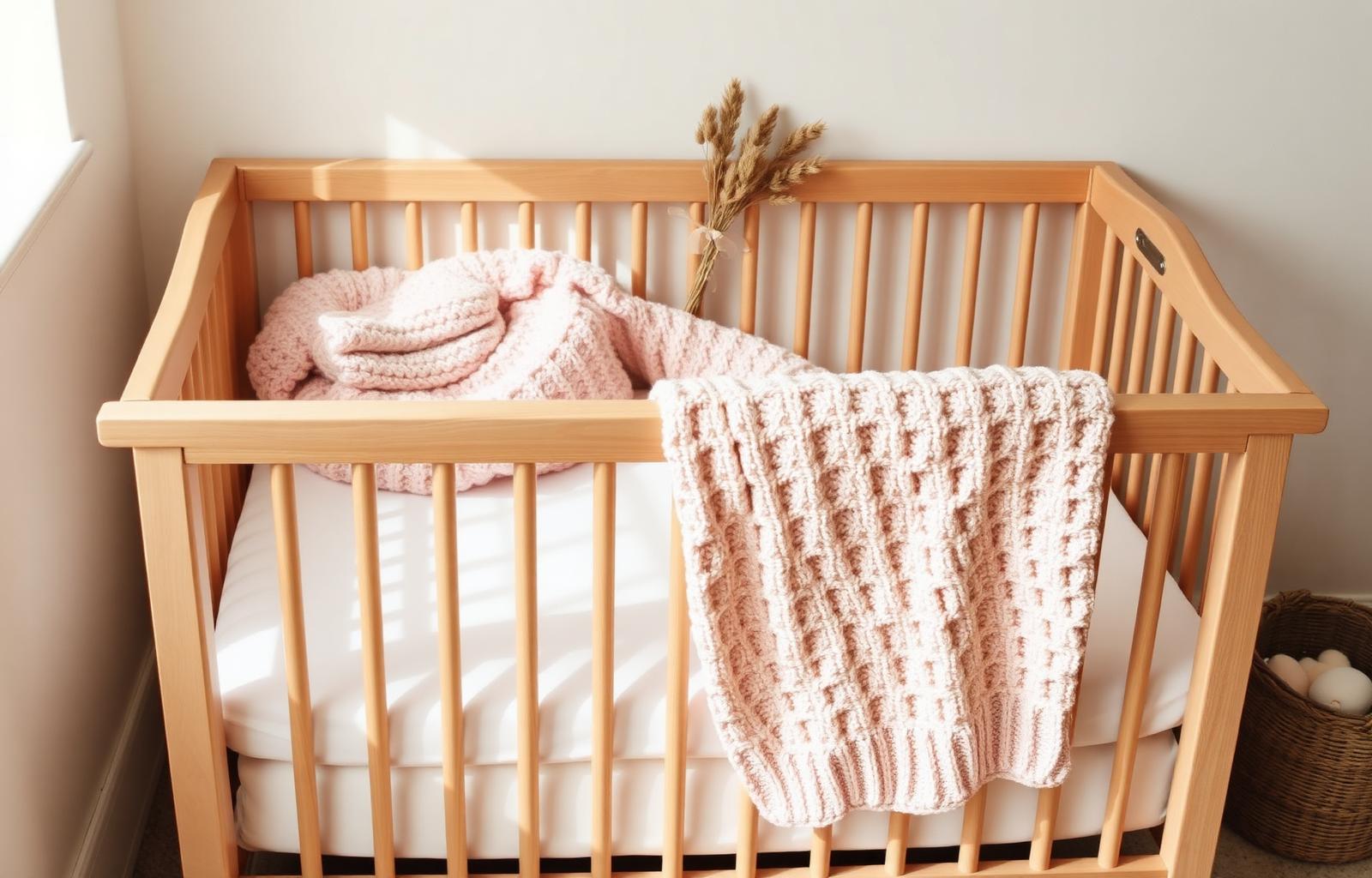
The sudden, irrational need to scrub baseboards at 36 weeks isn't a personality quirk. It's a hormonally-driven, evolutionarily conserved behavior documented across species — from rodents and birds to humans. Researchers at McMaster University's evolutionary psychology lab found that nesting peaks sharply in the third trimester and correlates with the same prolactin and estrogen surges that prepare lactation.
Translation: your body knows what's coming, and it's mobilizing your environment for the arrival. The urge is biology, not anxiety.
Why it's protective
Nesting accomplishes three things at once: it secures a safe, clean environment for a newborn immune system; it gives you a sense of control during a profoundly uncontrollable transition; and it prompts you to inventory what you actually have versus what you've been told you need. Moms who nest report higher postpartum confidence in the first two weeks — the period when most overwhelm peaks.
How to channel it well
Pick three physical spaces: the nursery, your bedroom, and the kitchen. Pick one digital space: your planner. Set a timer for each — no space gets more than 90 minutes a day. Anything beyond that is your nervous system asking for rest, not more tasks.
The kitchen matters most. Postpartum hunger is brutal and constant. Stock the freezer with single-serve meals (chili, baked ziti, breakfast burritos), prep two weeks of overnight oats, and make sure there's a clean, designated 'feeding station' with snacks within arm's reach of wherever you'll nurse or feed.
When nesting becomes anxiety
If you're cleaning the same drawer for the third time, reorganizing a closet at midnight, or feeling worse instead of better — that's not nesting, that's anxiety wearing nesting's clothes. The healthy version finishes a task and feels lighter. If it doesn't, talk to your provider. Perinatal anxiety responds beautifully to early intervention.
Keep reading
Ready to feel organized?
Bring your whole pregnancy into one calm, beautiful Google Sheet.
Get The Calm Pregnancy System™✦ Instant access · Google Sheets · Lifetime updates